How Often Should You Train BJJ?
One of the most common questions jiu jitsu students ask is how often they should train - It's a fair question. Training too little can slow progress, while training too much can lead to burnout or injury. The truth is that there is no single perfect number that applies to everyone.
The right training frequency depends on a few things:
- Your goals
- Experience level
- Recovery capacity
- Your schedule
For most people, consistent training 2 to 5 times per week produces steady progress without sacrificing long-term health.
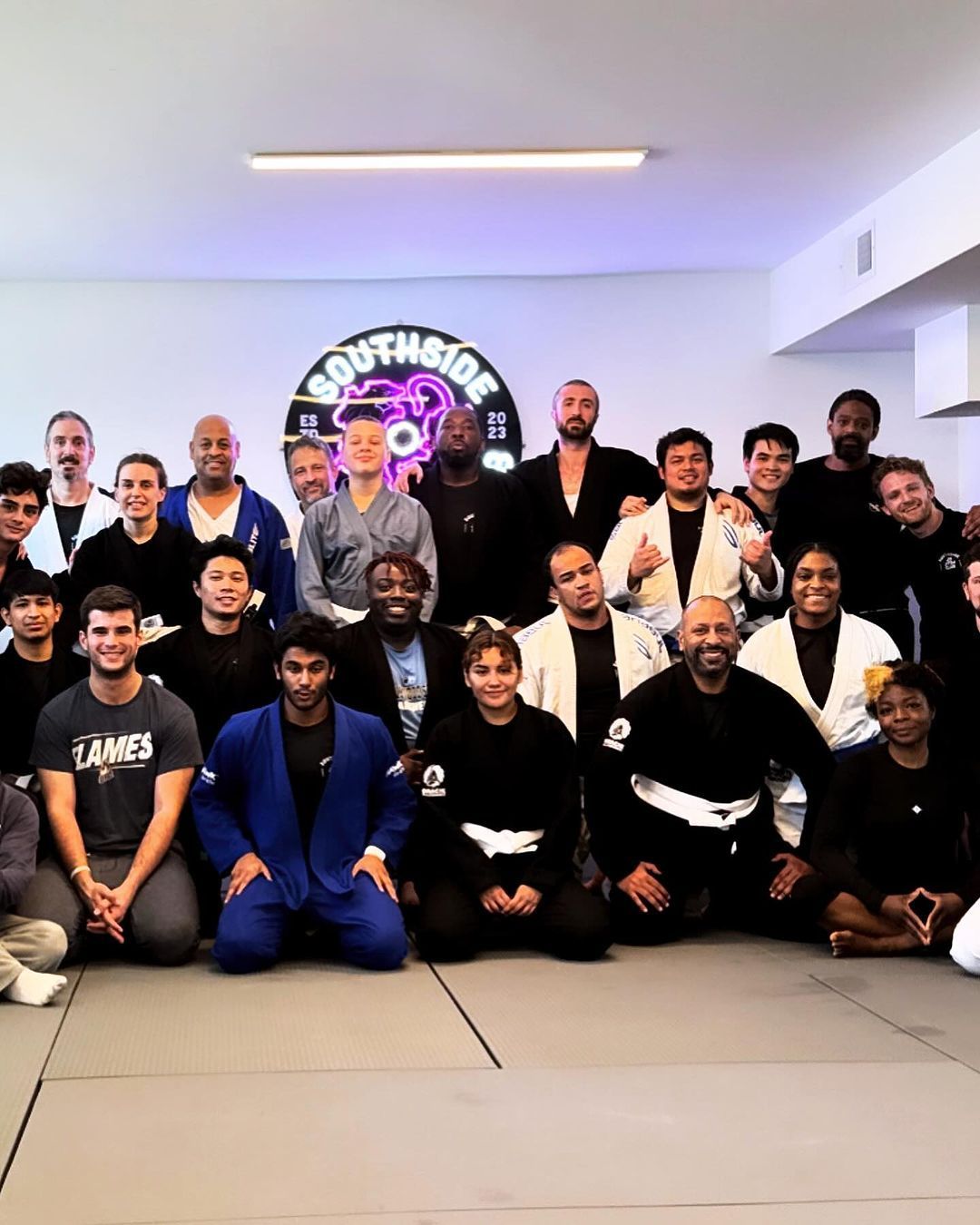
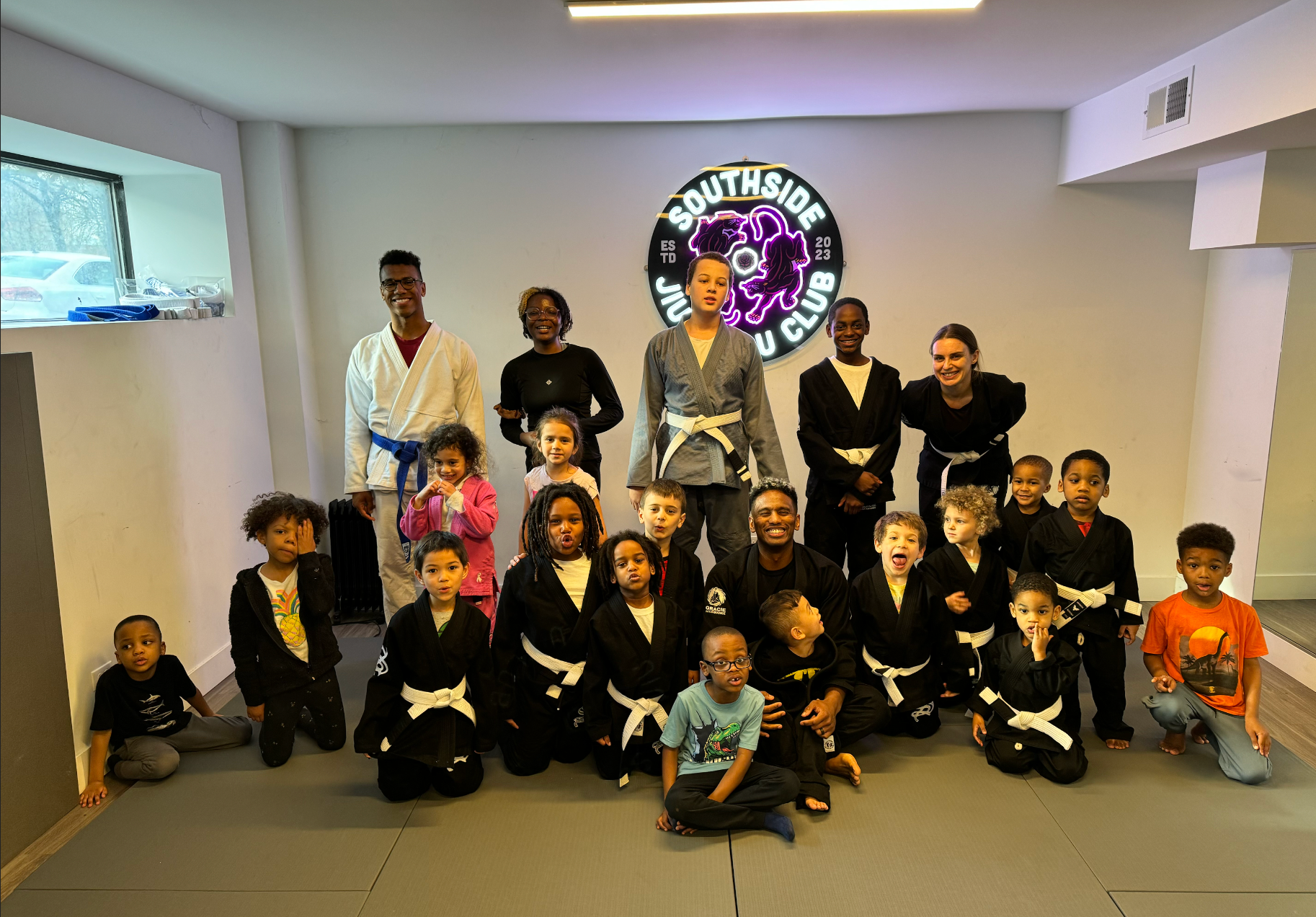
At Southside Jiu Jitsu Club, we take a personalized approach. Every student starts with a consultation where we talk about goals, schedule, and experience so we can help guide them toward a training frequency that is challenging, but remains sustainable and realistic.
What Determines How Often You Should Train Brazilian Jiu Jitsu?
How often you train should be based on context, not comparison. What works for a full-time competitor may not work for a busy parent or someone just starting their martial arts journey.
Your Goals in BJJ
Your goals should drive your schedule, not the other way around.
Some students train primarily for fitness and stress relief. Others want self-defense skills, confidence, or a structured challenge. Competitive athletes may aim to sharpen performance and conditioning. Many people simply want to practice Jiu Jitsu as a long-term skill and lifestyle.
Each of these goals comes with different demands - and all are perfectly okay. A recreational student does not need the same weekly volume as someone preparing for tournaments.
Your Experience Level
Experience plays a major role in how much training your body and mind can handle.
Beginners need enough repetition to build familiarity with movements, positions, and basic concepts. They also need adequate recovery time as their bodies adapt to a new type of physical stress.
Intermediate students usually benefit from increased exposure. More mat time allows for better problem-solving, pattern recognition, and comfort under pressure.
Advanced practitioners focus on balancing volume with longevity. At this stage, training smarter often matters more than training more.
Recovery, Age, and Injury History
Recovery is often overlooked, but it is one of the most important factors in training frequency.
As you get older or juggle more responsibilities, recovery capacity can change. Quality sleep, mobility work, hydration, and nutrition matter just as much as time on the mats - which is why we emphasize all of this during our consultations with new students.
Training through pain or ignoring injuries almost always slows progress over time. Sustainable training means listening to your body and adjusting when needed.
Outside Life Commitments
Work schedules, family responsibilities, and mental stress all affect consistency. A schedule that looks great on paper but constantly gets interrupted will not lead to progress.
A realistic plan that you can stick to week after week will outperform short bursts of high volume followed by long breaks.
How Many Days Per Week Should You Train BJJ?
Below is a general breakdown of what different training frequencies typically look like. These are guidelines, not rules.
List of Services
-
Training 1 Day Per WeekList Item 1
Training once per week is better than not training at all, but progress will be slow.
This schedule may work for maintenance, very busy lifestyles, or people easing back from injury. Skills tend to fade between sessions, so each class often feels like a reset.
-
Training 2 Days Per WeekList Item 2
Two days per week is a strong starting point for beginners.
This frequency allows enough repetition to build fundamentals while giving the body time to recover. Many students notice improvements in fitness, coordination, and confidence within the first couple of months.
-
Training 3 Days Per WeekList Item 3
Three days per week is often the sweet spot for recreational students.
At this level, techniques stay fresh, conditioning improves steadily, and progress becomes more noticeable. This frequency provides enough exposure to develop timing and decision-making without overwhelming the body.
-
Training 4 Days Per WeekList Item 4
Training four days per week is ideal for highly committed students and those preparing for competition.
This schedule requires more attention to recovery, mobility, and nutrition. In return, students often experience faster technical growth and improved mat awareness.
-
Training 5–6 Days Per Week
Five or six training sessions per week are common among competitors and advanced practitioners.
Managing intensity becomes critical at this level. Not every session should be hard, and rest days still matter. This volume is not necessary for most people to make meaningful progress.
-
Training BJJ Every Day
Training every day is possible with careful structure, alternating intensity, and planned recovery.
This approach is not recommended for beginners. Long-term improvement comes from smart training habits, not constant grinding.
How Training Frequency Changes as You Progress
Your ideal training schedule will likely change over time.
Beginners (0–6 Months)
For most beginners, two to three sessions per week work best.
This allows time to learn fundamental movements, understand basic positions, and adapt physically. Some soreness is normal early on, and patience during this phase pays off.
Intermediate Students
Intermediate students often thrive with three to five sessions per week, depending on goals and recovery.
At this stage, students begin refining positions, developing personal styles, and addressing specific weaknesses. As efficiency improves, higher volume becomes easier to manage.
Advanced Practitioners
Advanced practitioners vary widely in how often they train.
Competition schedules, coaching responsibilities, and long-term health all influence frequency. Quality rounds, focused drilling, and injury prevention take priority over sheer volume.
Consistency vs Frequency in BJJ Training
Many people assume more training automatically leads to faster improvement. In reality, consistency is the real driver of progress.
Two consistent years of training will outperform six inconsistent months of high volume. Missing entire weeks slows progress far more than occasionally missing a single session.
Sustainable schedules build confidence, discipline, and long-term skill development.
It's also important to note the critical role that other aspects of your lifestyle play in maintaining skill level and endurance with jiu jitsu - from diet, to other physical activity, to mental health practices (which BJJ can be included in), and more.
Signs You’re Training Too Much or Too Little
Paying attention to feedback from your body and mindset helps you adjust your training frequency.
You May Be Overtraining
There are typically some telling signs that you are over-training. It's important to listen to your body. You may be training too much if you notice:
- Constant soreness or recurring minor injuries
- Performance plateaus despite increased effort
- Mental burnout or loss of motivation
You May Need More Mat Time
Pay attention to your habits and capacity for potentially increasing BJJ training as you go. You may benefit from additional training if you experience:
- Forgetting techniques from week to week
- Slow reactions and hesitation during rolling
- Feeling disconnected from training partners or class flow
How to Optimize Your BJJ Training Schedule
Training frequency matters, but how you train matters even more.
List of Services
-
Prioritize Class QualityList Item 1
Focused instruction and structured classes lead to better results than unstructured mat time. Intentional rolling with clear goals beats mindless rounds.
-
Balance Hard and Light DaysList Item 2
Not every session should be maximum effort. Mixing technical, lighter days with harder training helps protect your body and extend your training life.
-
Cross-Train for RecoveryList Item 3
Mobility work, strength training, and light conditioning support better performance on the mats. Active recovery improves resilience and reduces injury risk.
-
Train in a Supportive EnvironmentList Item 4
An ego-free culture reduces unnecessary injuries and encourages learning. Community accountability makes consistency easier and training more enjoyable.
How Southside Jiu Jitsu Club Supports Sustainable Training
At Southside Jiu Jitsu Club, we focus on building strong habits, not burning people out.
Our programs include structured fundamentals, all-level classes, competition-focused training, and open mat opportunities. We offer flexible options for beginners, experienced practitioners, and busy adults.
The 6-Week Transformation Challenge helps new members build consistency, confidence, and momentum in a supportive environment. Above all, we emphasize mindset, discipline, and long-term growth on and off the mats.

Frequently Asked Questions
How often should a beginner train BJJ?
For most beginners, training two to three times per week provides the best balance of progress and recovery.
Is training BJJ every day bad?
Training every day is not inherently bad, but it is unnecessary for most students and requires careful management of intensity and recovery.
Can I get in shape training only twice a week?
Yes. Consistent training twice per week can significantly improve fitness, strength, and conditioning over time.
How long before I see progress in BJJ?
Most students begin noticing improvements in fitness, coordination, and confidence within four to eight weeks of consistent training.
Previous Blogs