What Makes Jiu Jitsu Effective for Self Defense
Many adults begin exploring self defense because they want practical skills that work in real situations. Jiu Jitsu offers exactly that. It is a grappling‑focused martial art built on leverage, positioning, and control rather than strikes. From the beginning, adults learn how to stay calm, manage pressure, and handle real resistance in a structured way.
These core principles make Jiu Jitsu a reliable path for adults who want skills they can trust. As training develops, you start to see how controlling space and staying composed translate into everyday confidence.
Key Self Defense Skills Jiu Jitsu Develops
Jiu Jitsu training develops several fundamental abilities that directly apply to real self defense.
Staying Calm Under Pressure
Live sparring, often called rolling, teaches breath control, focus, and emotional steadiness. You learn to think clearly, even when someone is applying pressure. This calmness carries directly into real-world situations.
Distance Management and Space Control
You learn how to control the space between you and another person. Good distance management helps prevent strikes, avoid being overwhelmed, and create opportunities to break free.
Escaping Dangerous Positions
Many self defense situations involve being grabbed, held down, or forced into vulnerable positions. Jiu Jitsu prioritizes escape skills from:
- Mount
- Side control
- Rear mount
- Clinch positions
Knowing how to escape under pressure is one of the most important aspects of real-world safety.
Taking the Fight to a Safe Place
You learn how to achieve safer positions, maintain control, and prevent further harm. This includes techniques for holding someone without escalating the situation.
Submissions as Last-Resort Options
Submissions exist in Jiu Jitsu, but they are taught as control tools first. Their purpose in self defense is to create opportunities to disengage safely, not to cause damage.
How Jiu Jitsu Applies in Real-Life Situations
Some of the most common situations adults worry about and how Jiu Jitsu helps address them include:
- Handling wrist grabs or clothing grabs
- Staying safe if pushed or knocked down
- Protecting yourself from being pinned
- Using framing and leverage to create space
- Controlling an aggressor long enough to disengage or get help
Example scenario: If someone grabs your wrist or jacket, Jiu Jitsu teaches you how to break the grip, create space with frames, and move to a safer position without escalating the situation.
These scenarios show how Jiu Jitsu applies in realistic situations and lead naturally into the broader skills adults develop on the mats.
Why Jiu Jitsu Works for Adults of All Ages
One of the reasons Jiu Jitsu is so effective for adults is that it works through timing rather than strength. Even beginners start developing useful skills within weeks.
How Long It Takes to Become Effective
Most adults begin feeling more capable in real‑life scenarios within a few months as they learn escapes, distance management, and how to stay calm under pressure. You do not need prior experience, athletic background, or natural strength to begin learning real skills.
Common Misconceptions About Self Defense Training
- "I need to get in shape first"
- "I’m too old to defend myself"
- "I need striking experience to stay safe"
- "Training is too intense for beginners"
- "Jiu Jitsu doesn’t work for women because attackers are usually bigger and stronger"
Women in particular often worry about facing a larger or stronger aggressor. Jiu Jitsu’s focus on leverage and technique helps address this by teaching practical ways to create space, stay calm, and get out of dangerous situations without depending on size or strength.
In reality, Jiu Jitsu training is scalable. Adults of all ages and fitness levels can progress safely through fundamentals.
Jiu Jitsu Is Different From Striking Martial Arts
Striking-focused martial arts rely on punches and kicks to create distance or stop an aggressor. Jiu Jitsu approaches self defense differently. It teaches you how to control space, redirect force, and neutralize someone at close range using leverage rather than power. This approach is particularly effective when someone is grabbing, holding, or trying to force you to the ground - situations where striking alone may not be practical.
Common BJJ Self Defense Questions
Adults often have important concerns when evaluating self defense options. These answers help bring clarity.
What Does Jiu Jitsu Does Not Cover In Terms of Self-Defense?
While Jiu Jitsu is extremely effective for one‑on‑one self defense, students should also understand its limitations:
- It is not designed for multiple attackers
- It is not designed for weapons
- It does not include striking as a primary focus
Pairing Jiu Jitsu with awareness, avoidance, and smart decision-making offers the safest overall approach for real-life situations.
Do I need to be in shape before starting?
No. Jiu Jitsu builds strength, mobility, and conditioning over time. Beginners start at their own pace.
Is Jiu Jitsu safe for beginners?
Yes. Techniques are introduced in a controlled setting, with partners who prioritize safety and respect.
How long before I feel more confident?
Many adults notice increased confidence within a few months as they understand positions, escapes, and pressure control.
What about strikes from someone I need to defend myself against?
Jiu Jitsu teaches distance management and positional control, which help limit an aggressor’s ability to strike.
What should I do in a real confrontation?
The goal is always to disengage safely. Jiu Jitsu gives you tools to manage pressure, escape dangerous positions, and create opportunities to get away.
How Southside Jiu Jitsu Club Teaches Self Defense Skills
Self defense skills through jiu jitsu at SJJC is taught through structured, supportive training that emphasizes both safety and effectiveness.
Students practice:
- Fundamental self defense positions and escapes
- Pressure-tested drilling
- Controlled rolling with guidance
- Techniques adjusted for beginners
- Situational awareness and decision-making
The Role of Consistent Training
Self defense skill develops over time. Consistency matters more than intensity.
What Progress Looks Like Over Time
- 1 to 3 months: understanding core positions and staying calm under pressure
- 3 to 6 months: reacting to grabs and pressure with confidence
- 6 to 12 months: escaping reliably and controlling space with intention
These milestones build the foundation for real-world competency.
The Community Advantage
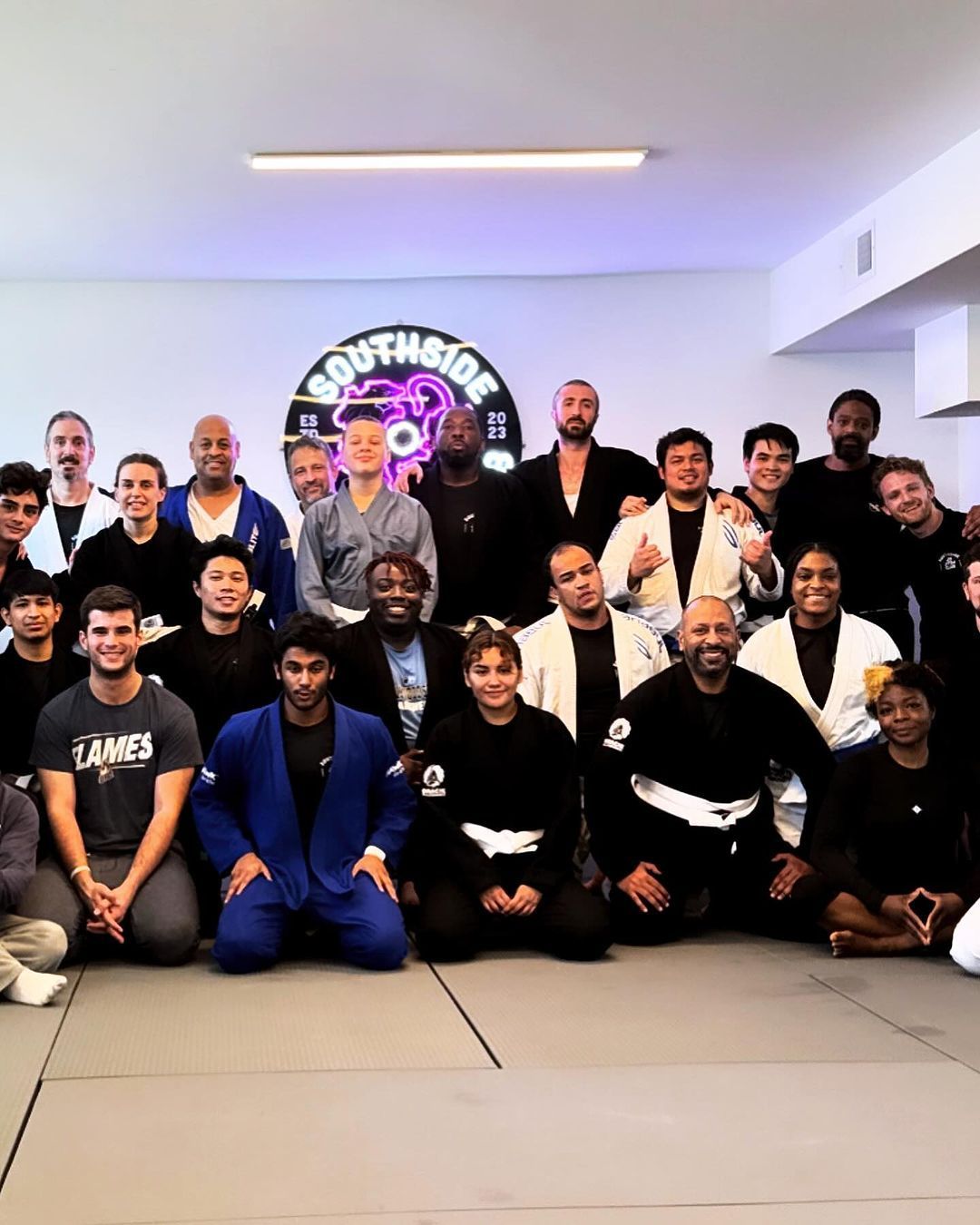
Self defense training is most effective in a supportive environment. SJJC fosters a grounded, ego-free community that helps adults train safely and build confidence.
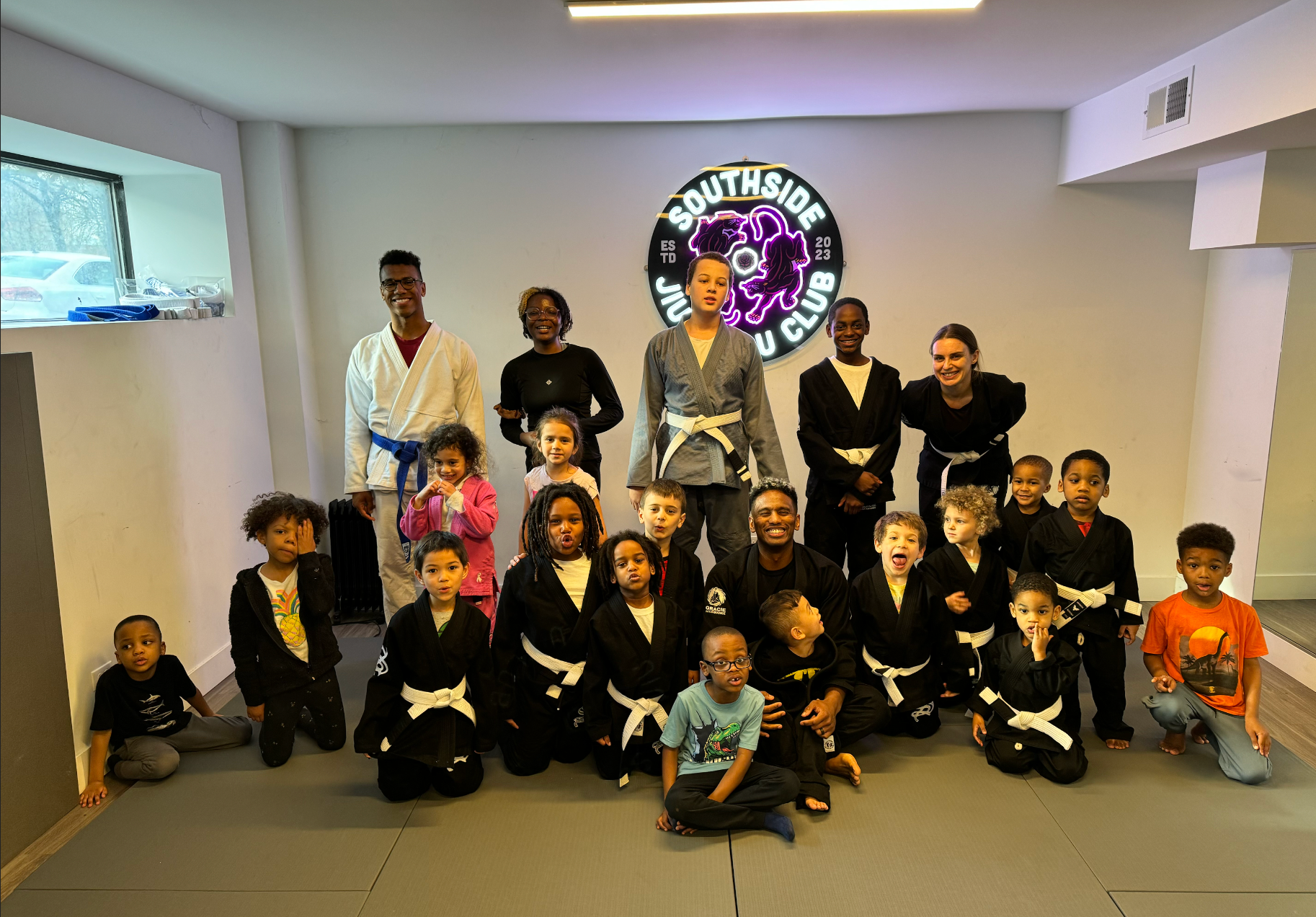
Many families at SJJC also appreciate that their children can build similar awareness and confidence through our youth programs. Partners help one another progress, learn to regulate intensity, and build skills together.
Ready to Learn Practical Self Defense?
Self defense is not a single technique. It is a combination of awareness, timing, calmness, and practiced skill. Jiu Jitsu helps adults build these abilities steadily through repetition and community support.
If you're ready to get started, you can schedule your intro session to meet the team, learn the basics, and experience the SJJC environment firsthand. If you want to build real self defense skills, Jiu Jitsu offers a structured, safe, and proven path.
You can get started with a fundamentals class, an adult class, or a private session consultation.
Previous Blogs