How to Study BJJ Matches Like a Coach
Most grapplers already watch a lot of jiu jitsu. World championship finals, ADCC highlights, Instagram clips that shows up between other things. The footage is there, it is free, and almost none of it changes how anyone rolls on Monday.
The difference between watching and studying is not effort. It is what you point your attention at. Coaches watch the same match you do and walk away with three usable notes, because they are looking at the parts of the match that most people overlook. That skill is learnable, and it does not require a competition record or a black belt to start.
What Coaches Watch That Most Students Miss
Students watch the submission. The armbar finishes, the tap comes, and that is the moment that gets rewound.
Coaches rewind to about ten seconds earlier. The finish is the least useful part of the sequence, because by the time the arm is isolated the outcome is already decided. The information is in the setup: the grip that got broken, the hip that turned, the moment one athlete gave up a frame and did not get it back.
Three habits separate a coaching eye from a spectator's eye.
- They watch positions. A coach sees a match as a series of position changes. Standing, into a guard, into a passing exchange, into side control. The techniques are just how the athletes moved between those states. That framing is portable. A specific berimbolo entry is not.
- They watch the losing athlete too. Every submission has a defensive error underneath it. Watching the athlete who lost the position teaches you what to avoid in a way that watching the winner never will.
- They ask why it worked here. A technique works because of a specific grip, a specific reaction, a specific ruleset, and a specific opponent. Pull the move out of that context and it usually stops working. The question is not what did they do, it is what made that available.
Choose The Right Match Before You Press Play
Not all footage is worth your time, and social platform algorithms are a poor filter. Search results reward the flashy over the reliable, which is exactly backward for someone trying to build a game.
Pick someone built like you. A 135 pound athlete with a flexible inverted guard is not a useful model if you are a 210 pound beginner with average mobility. Find a high level competitor with a similar frame and a similar style, then commit to their footage.
Start with live matches, not instructionals. Instructionals show technique under ideal conditions with a cooperative partner. Live matches show what survives against someone who is actively trying to stop it. Watch the match first, then use instructional content to fill in the details of something you already saw work.
Check the ruleset. IBJJF points matches, submission only events, and ADCC rules all produce different behavior. An athlete stalling in a dominant position under a points ruleset is playing correctly for that format and would be losing the match under another. Know which game you are watching.
Match the level to yours. If you have been training a few months, elite black belt footage will show you a hundred things you're not ready to use. Watching a good local brown belt compete is often more instructive, because the exchanges happen at a speed you can actually see. As your own game develops, the footage you can learn from moves up with it.
Footage is easy to find. Event YouTube channels, FloGrappling, UFC Fight Pass, and the competitors' own social feeds cover most of what you would want.
A Five Pass System For Studying One Match
The single biggest upgrade to most people's film study is watching one match five times instead of five matches once. Depth beats volume.
List of Services
-
Pass One: Watch It Straight ThroughList Item 1
No notes, no pausing. Get the shape of the match. Who set the pace, who was reacting, how did it end. You are building context so the details have somewhere to attach.
-
Pass Two: Map The PositionsList Item 2
Second time through, write down only position changes and the clock. Standing to closed guard at 1:14. Guard opened at 2:03. Passed to side control at 2:31. Nothing about technique yet. When you finish you will have a skeleton of the match, and the pattern usually jumps out. One athlete kept winning the same exchange.
-
Pass Three: Rewind The SetupsList Item 3
Now go back to each position change on your list and watch the ten seconds before it. This is where the match was actually decided. Look at grips, head position, hip angle, and which athlete moved first. If a pass worked, something opened it. Find that thing.
-
Pass Four: Watch One Athlete OnlyList Item 4
Ignore half the screen. Track one competitor's hands for a full round, then their feet, then their hips. It feels tedious and it is the pass that produces the most detail, because you stop watching the action and start watching the mechanics that create it.
-
Pass Five: Slow Down The One Thing You Are Taking
By now you should have one sequence you want in your own game. Slow the playback, watch that clip repeatedly, and get specific about hand placement and sequencing. One sequence. Not six.
Take Notes A Coach Could Actually Read
Notes that just say "cool armbar from guard" are worthless in two weeks. A usable note has three parts: where it happened, what changed, and what made it work.
A good entry looks closer to this: closed guard, 3:12, he broke the posture by climbing the collar first, then the hip bump only worked because the opponent posted the far hand.
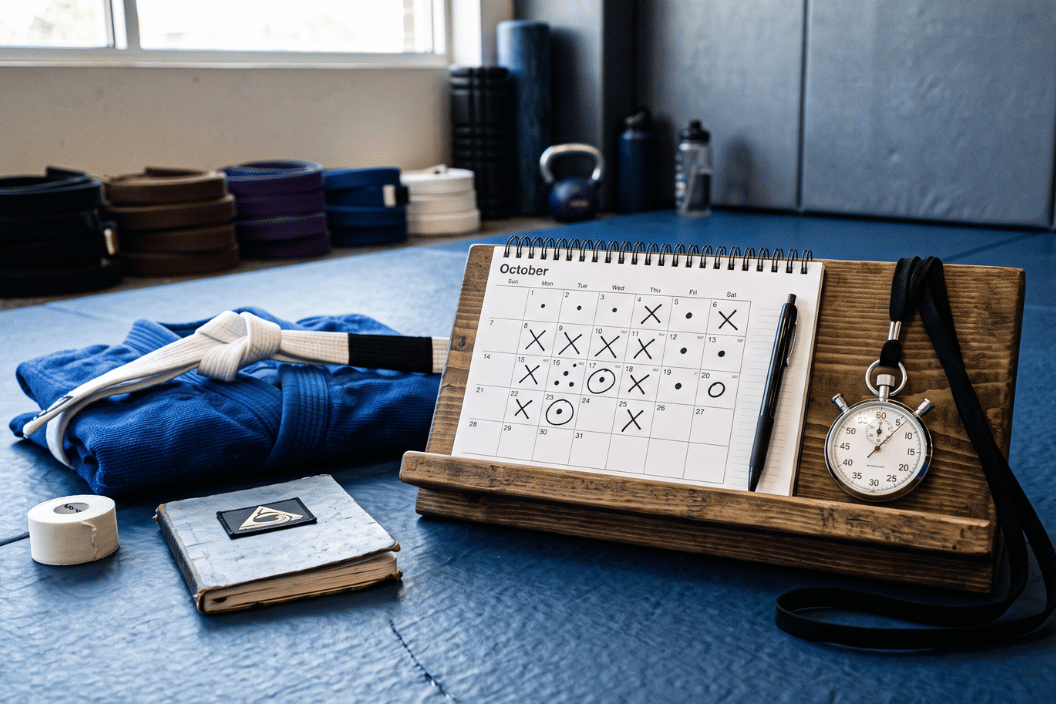
Keep the list short. Three notes from a match you studied carefully will do more for you than thirty from a match you skimmed. If you already keep a training journal, film notes belong in the same place, next to the things you are working on in class. The goal is a small set of specific problems you are trying to solve, not a growing library of techniques you have seen once.
Study Your Own Footage, Not Just The Highlight Reels
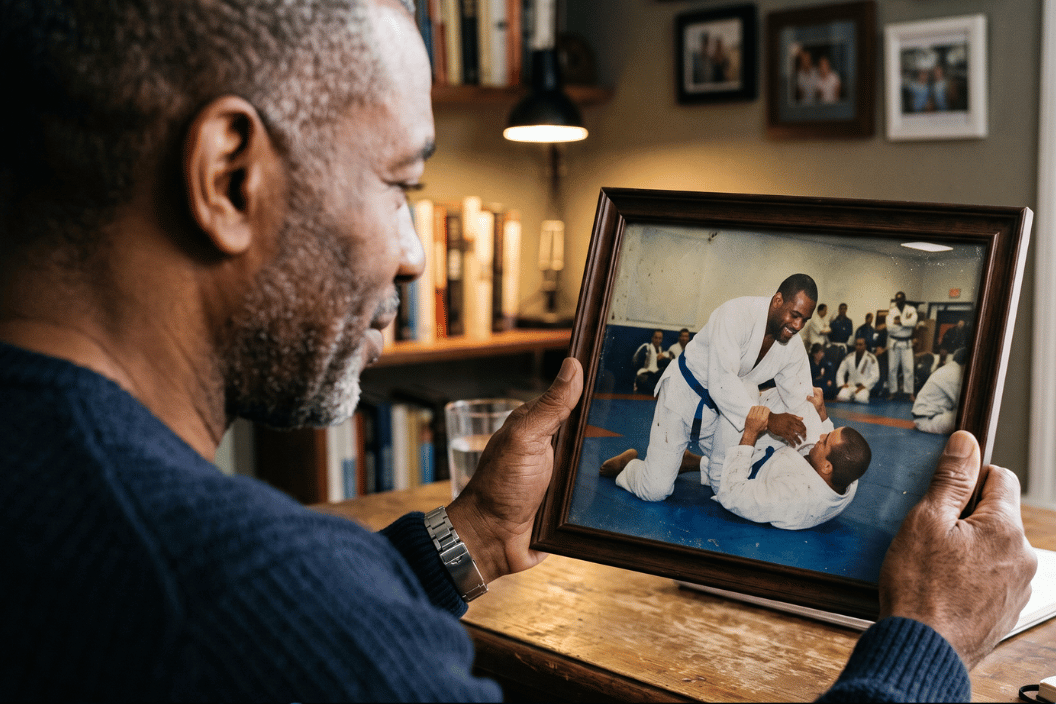
Watching elite competitors tells you what is possible. Watching yourself tells you what is actually happening, and that is usually where the fastest improvement is sitting.
Ask your coach before you film at the academy. Most gyms are fine with it, some are not, and your training partners deserve the courtesy either way. Set the phone where it will not get stepped on and record a few competitive rounds rather than a full class. The rounds where you are pushing tend to expose the most.
Then review with the same discipline you would give a world championship match.
Look for patterns, not moments. One bad sweep is noise. Getting swept from the same guard four times in one session is a training plan.
Watch where you stall. The spots where nothing happens for thirty seconds are usually spots where you do not have an answer, and you have been quietly avoiding them in class.
Compare what you thought happened to what happened. Your memory of a roll is heavily edited. The video is not.
Bring one clip to a coach. This is the step that turns review into progress. A short specific question about a real position gets you a far better answer than asking how to get better at guard passing.
Turn What You Watched Into Something You Can Do
Film study only counts once the movement shows up in live rolling. Watching without testing is a hobby.
Drill the entry, not the finish. You already know what an armbar looks like. What you do not have is the grip and the timing that make it available. Spend your reps there.
Use positional sparring to force the situation. Start from the exact position you studied and reset every time it resolves. Ten focused reps of one exchange will teach you more than a full round of general rolling. This is a normal part of how advanced classes are structured, and it is the most direct way to test something you pulled off video.
Take it to open mat. Randori is where you find out whether it survives against someone who does not know what you are trying to do. Expect it to fail the first several times.
Give it two weeks. If a technique has not shown up in live rolling after two weeks of honest attempts, either the setup is missing or it does not fit your body and your game. Both are useful answers. Drop it and study something else.
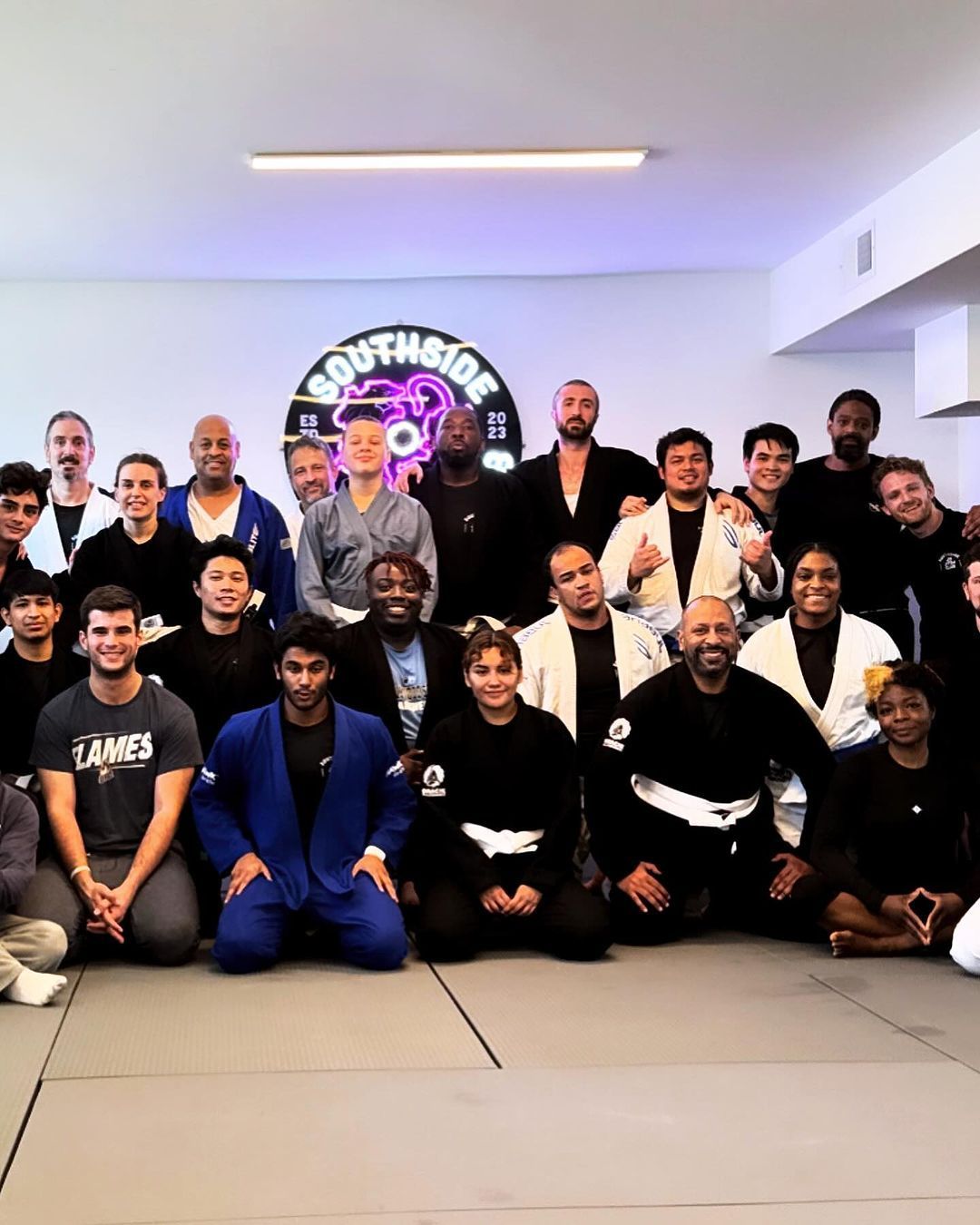
The academies that produce good competitors tend to build this loop into how they train rather than leaving it to individuals. At Southside Jiu Jitsu Club, coaches work directly with students on the specific positions they are stuck in, and the same instruction lineage that Solo Dixon trained under informs how technique gets broken down on the floor. Watching film and getting corrected in person are not competing approaches. They work on each other.
Mistakes That Make Film Study A Waste Of Time
- Studying too far above your level. Elite footage is full of techniques that only work with elite timing. Watch it for enjoyment, study something closer to where you are.
- Collecting instead of solving. A folder of two hundred saved clips is not a game. Pick the problem you keep losing to and study that.
- Over scouting an opponent. Knowing an opponent's tendencies helps. Building an entire game plan around them usually means you stop playing your own jiu jitsu, and you lose to a version of yourself you have never trained. Glance, note one or two habits, then go compete. Competing is valuable for reasons that have nothing to do with the result, and that value disappears if you show up as someone else.
- Watching instead of training. Film study is a supplement. It cannot replace mat hours, and how often you train remains the variable that decides your rate of progress.
- Skipping the ruleset. Copying behavior from a format you do not compete in leads to strategies that get you penalized.
Frequently Asked Questions
How Long Should A Film Study Session Take?
Twenty to thirty minutes on one match is plenty. The five pass approach on a six minute match fits comfortably in that window, and it produces more than an hour of unfocused scrolling.
Should White Belts Bother Studying Matches?
Yes, with a narrower focus. Early on, watch for positions and body movement rather than technique details. Understanding what side control is and how people escape it is more useful in your first year than memorizing a specific submission entry.
Do I Need To Scout My Opponent Before A Tournament?
It helps at higher levels where footage exists, and it matters less than most people think. Note one or two clear habits, drill a counter, and keep your own game plan intact.
Are Instructionals The Same As Studying Matches?
They serve different purposes. Instructionals give you detail under ideal conditions. Live matches show you what holds up under resistance. Use matches to decide what to learn, then use instructionals to learn it properly.
Can I Record My Own Rolls At The Gym?
Ask your coach first, and be considerate of training partners who may not want to be filmed. Most academies are happy to allow it when you handle it respectfully.
Start Studying With A Coach In Your Corner
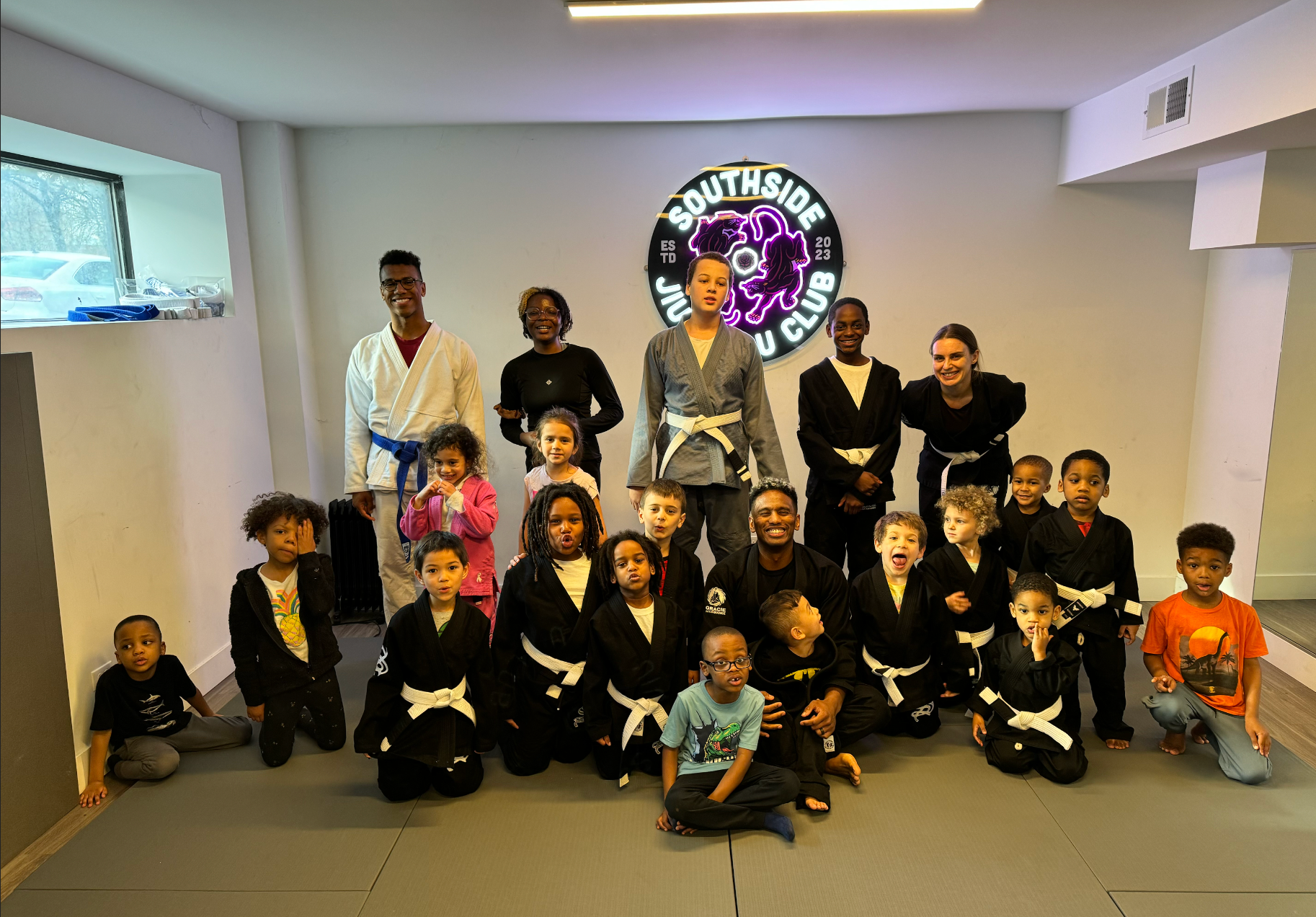
Film study works best when there is someone who can tell you what you missed. Southside Jiu Jitsu Club runs classes for every level on Chicago's Southside, with coaching built around the positions students are actually stuck in rather than a generic curriculum. If you have been watching jiu jitsu and want to start training it, or you are already training and want structure behind your improvement, book a free goal setting consultation and we will map out where to start.
Previous Blogs