How to Return to BJJ After a Long Break
Maybe it was an injury. Maybe a new job, a new baby, a move, or a stretch where life simply crowded the mats out of your week. Whatever pulled you away, you have been thinking about coming back to jiu jitsu, and something keeps stopping you. For most people that something is not the training itself. It is the walk through the door. You picture being winded in five minutes, getting tapped by someone you used to handle, and feeling like a stranger in a room you once knew well.
That feeling is normal, and it fades faster than you think. This guide gives you a clear, week-by-week way back in: what to expect, a four phase ramp that protects your body while your skills return, how to handle a comeback from injury, and how to pick the right place to restart here on Chicago's Southside.
Why Stepping Away from BJJ Happens a Lot
No jiu jitsu journey runs in a straight line. Injuries, work schedules, family, burnout, and plain life all pull people off the mats at some point, often more than once. Time away does not erase what you built. Your body deconditions and your timing dulls, but the years you spent learning to move, to frame, to recognize a position before it fully forms, those do not disappear. They go quiet, and they come back.
The real barrier to returning is rarely physical. It is the story you tell yourself about how far you have fallen. The moment you accept that a little rust is the price of admission and nothing more, the door gets a lot easier to walk through.
What To Expect In Your First Few BJJ Sessions Back
Your conditioning will be the first thing you notice, because cardio fades faster than skill. You may gas out in a warm up that used to be nothing. That is not a sign you have lost your jiu jitsu skill. It is a sign your gas tank shrank while you were away, and it refills quickly with consistent training.
Your technique will feel further away than it actually is. A movement you drilled a thousand times might not fire on the first attempt, then land cleanly on the third. Muscle memory returns surprisingly fast once you start feeding it reps again.
The last thing to expect is an ego check, and it helps to expect it on purpose. A newer training partner may catch you in a scramble. That is fine. It is not a verdict on your ability. It is a snapshot of one rusty day, and it usually becomes fuel for how quickly you sharpen back up.
Jiu Jitsu Kept Moving While You Were Gone
Here is something the first day back makes obvious: jiu jitsu did not pause when you did. Depending on how long you were out, the meta shifted. Techniques that were rare when you left may be everywhere now, and positions that once dominated your gym may have quietly fallen out of favor. The white belt you used to submit at will may be a sharp purple belt with a game you have never seen.
None of that is a problem. It is one of the best parts of coming back. You get to be a student again, with a foundation already in place. Tell your coach how long you were away and roughly where your game was when you left. That single sentence lets them plug you into the right drills and the right partners instead of guessing.
A Ramp-Up Back To Full BJJ Training
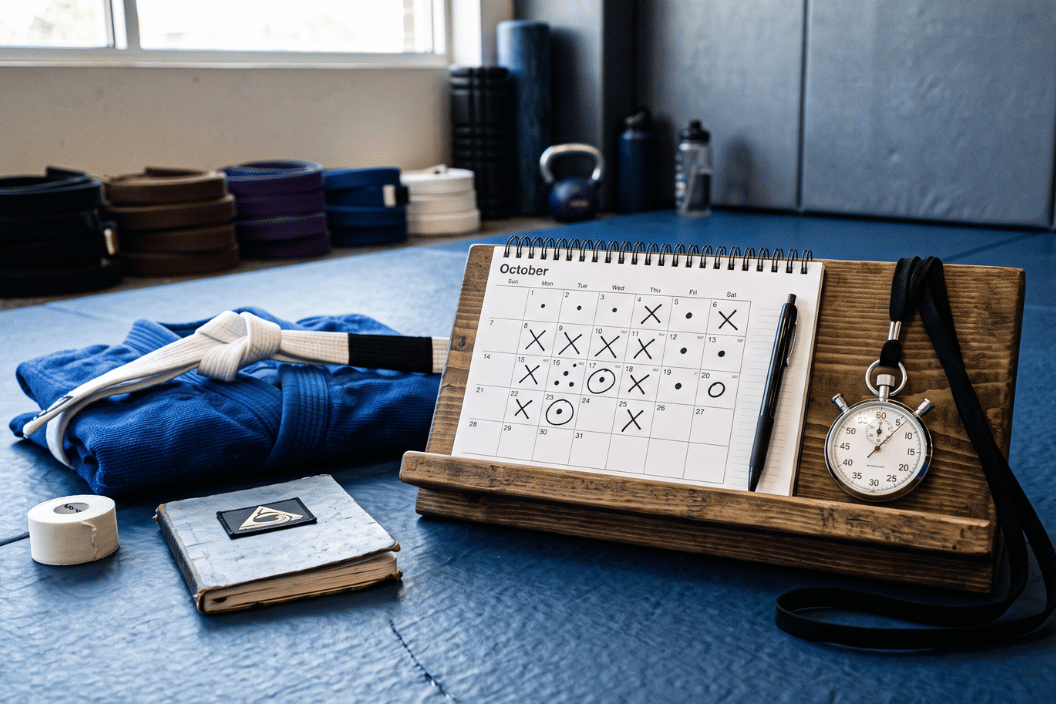
The most common mistake returning practitioners make is treating the comeback like a race. The urge to train every day at full intensity is strong, and it is exactly how people end up sore, discouraged, or hurt inside their first two weeks. Your comeback is won by pacing. Here is a simple four phase ramp that rebuilds you without breaking you. Treat the weeks as a guide, not a rule, and move to the next phase only when the current one feels genuinely comfortable.
List of Services
-
Phase One: Reintroduce The MovementsList Item 1
Give your first week to drilling and technique classes only. No hard rounds. Your job here is to remind your body of the shapes: shrimping, bridging, standing up in base, the grips and frames you built your game on. If you can only get to one or two sessions this week, that is fine. Consistency matters far more than volume right now. You are reopening the pathways, not testing them.
-
Phase Two: Add Light Flow RollingList Item 2
In your second week, keep drilling and add flow rolling at low intensity. Flow rolling means moving through positions with a cooperative partner, not fighting for your life. This is where your timing starts to return and where you find out which movements still feel natural and which need more reps. Pick calm, controlled partners for these rounds and tell them you are easing back in.
-
Phase Three: Build To Moderate RoundsList Item 3
By the third week, if your body feels good, start mixing in moderate rounds. Push a little, but keep something in reserve. This is the phase where your conditioning begins to catch up to your technique, and where the soreness of the first two weeks usually starts to settle. If a joint or an old injury complains, back off and stay in Phase Two a little longer. There is no prize for rushing.
-
Phase Four: Return To Full IntensityList Item 4
By the fourth week and beyond, most people are ready for full rounds again. Now is the time to test your limits, take the hard rolls, and stop making excuses to dodge the partners who challenge you. Staying safe early is smart. Always listen to your body first, but know that hiding behind caution once your body is truly ready is just a different way of holding yourself back.
Two things keep this ramp on track once you are working through it. The first is frequency: how often you should train BJJ depends on your goals, and returning bodies rebuild better on a schedule that leaves room to recover. The second is catching the early signs of doing too much too soon, because overtraining and burnout are how a promising comeback quietly turns into another layoff.
Coming Back From An Injury: Match The Plan To The Body Part
If an injury is what pulled you off the mats, treat the injured area as vulnerable even after it feels fully healed. The smartest returns work around the injury while the rest of your game gets sharp. That means choosing what you train based on what you are protecting.
Coming back from a knee injury, lean on upper body submissions and top control, and be cautious with deep guards, explosive scrambles, and anything that loads the knee sideways. Coming back from a shoulder injury, favor guard play and leg oriented work, and stay away from positions that stretch or torque the shoulder, like being stacked or defending certain kimura grips. Coming back from a lower back or neck issue, avoid inversions and heavy stacking early, and build core and bracing strength before you load those positions again.
In every case, tell your training partners what you are working around before the round starts, not after something tweaks. Good partners will respect it, and the ones you train with regularly will remember. The work off the mat matters here too, and strength training is worth building back in as you rebuild the structure around a healed injury.
Recovery Is Part Of The Training
When you first came up in jiu jitsu, you may have been more resilient than you are now - able to recover from a hard session almost without thinking about it. A comeback is a good moment to admit that recovery is now part of the plan, not an afterthought. Your first two weeks back will bring soreness in places you forgot you had, and how you handle the hours between sessions decides how fast you progress.
Sleep is the one that moves the needle most, so protect it. Gentle mobility work and foam rolling on your off days will loosen the tightness that builds up when you play guard again for the first time in months. Focus on your nutrition too. Eat enough to actually rebuild, with real, nutrient dense food, rather than trying to cut hard and train hard at the same time, which just slows your recovery and sours the whole experience. None of this is complicated. It is just the difference between a comeback that sticks and one that stalls in week three.
Restart At Southside Jiu Jitsu Club
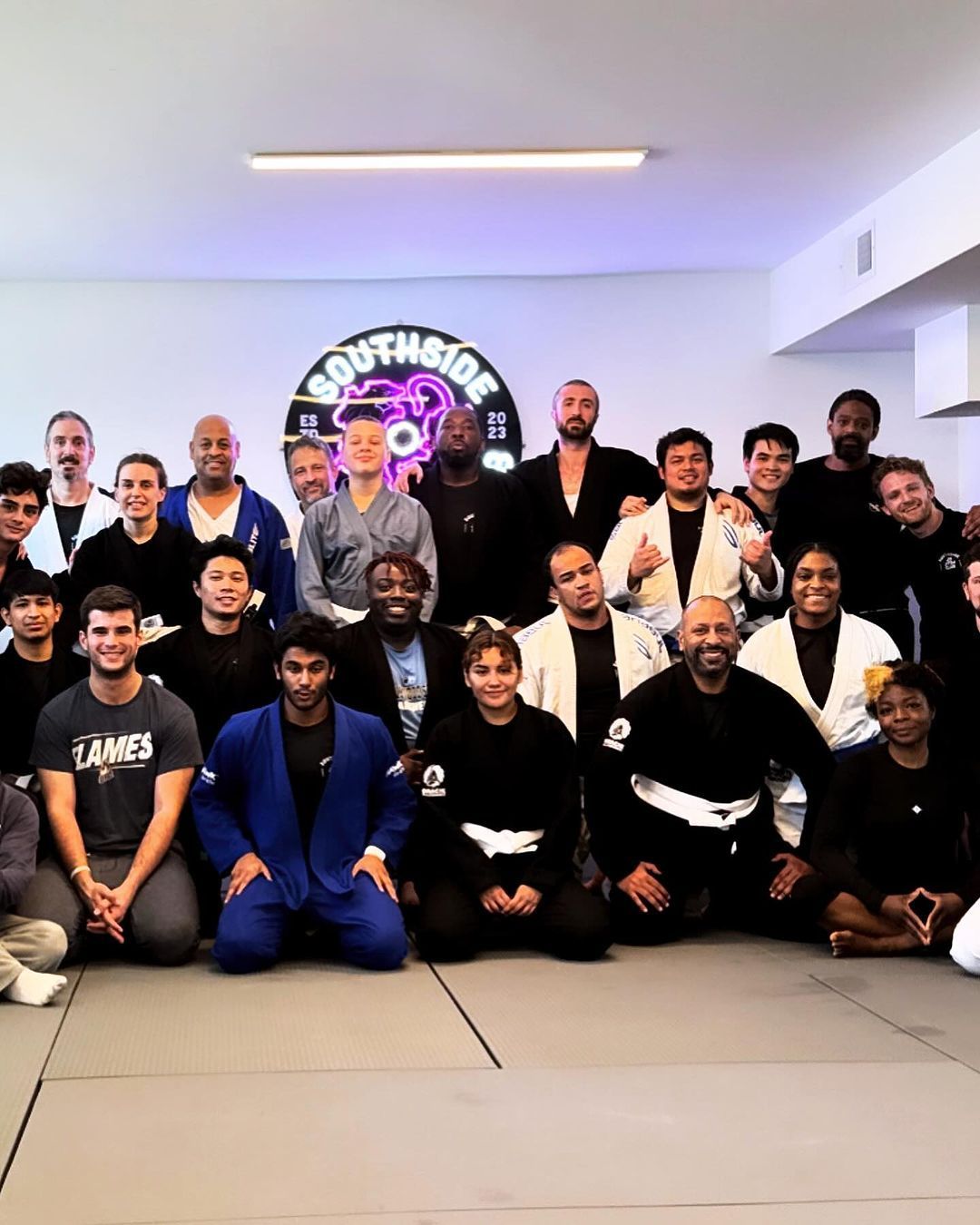
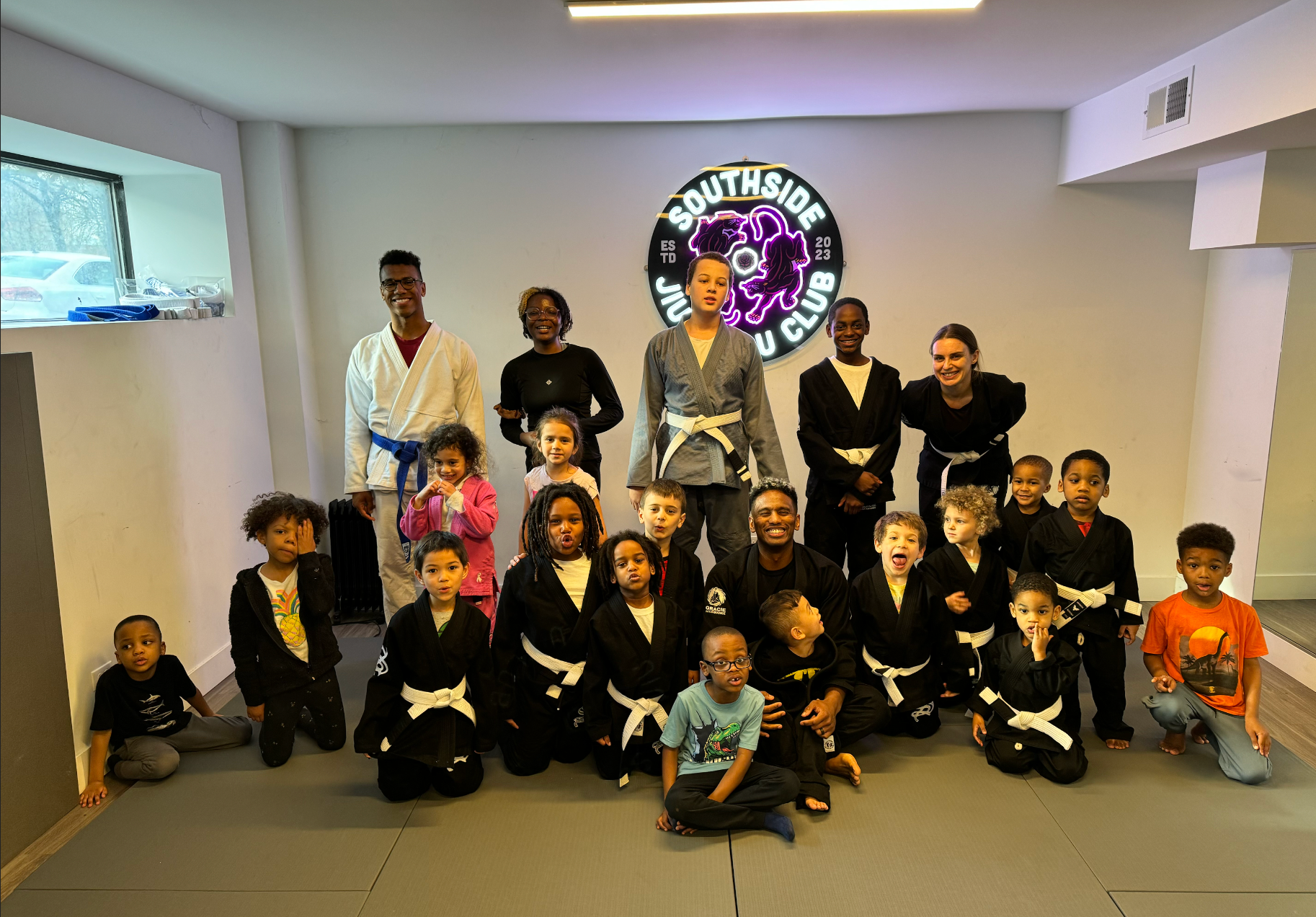
Coming back is easier when the room you are walking into is built for it. Southside Jiu Jitsu Club is a community-first BJJ academy on Chicago's Southside, and returning practitioners are a normal part of the mix, not an exception the coaches have to figure out on the fly. People step away for injuries, work, and life all the time, and they come back.
The instruction you come back to is grounded in real coaching and real lineage. Southside Jiu Jitsu Club is led by Solo Dixon is a black belt under Adem Redzovic, and the academy is built to bring people along at the right pace rather than throw them into the deepest water on day one. That matters more on a comeback than it does at any other point in your training, because a returning body needs a setting that reads where you actually are, not where you used to be.
That care shows up in the details, too. The academy is built on a FUJI spring floor mat system, and for a body that has deconditioned during time off, the added cushioning and give take real load off your joints as you rebuild, which is exactly when you are most exposed to tweaks and strains.
The Hardest Rep Is In The Parking Lot
The toughest part of your entire comeback is the rep nobody sees: sitting in the car before class, talking yourself out of walking in. Once you are on the mat, the room does the rest. A good academy is a community, and people who train remember what it took to start. Nobody is keeping score of how long you were gone.
If the mental side of returning feels heavier than the physical side, you are not alone in that, and the mats tend to help. For a lot of people, training is the reset button for the rest of their week, and the stress relief becomes as much of a reason to keep showing up as the jiu jitsu itself.
Ready To Get Back On The Mats?
The simplest way to return is to stop planning it alone. Book a free consultation with us, and we will talk through where you left off, what you are working around, and the right way to ramp back up.
You already did the hard part once. Coming back is easier than starting was.
Frequently Asked Questions
Will I Lose My Belt If I Take A Long Break?
No. Rank does not expire. If you earned a blue, purple, brown, or black belt, that is still your belt when you return. You may not feel at that level on your first day back, and no one expects you to. The rust clears with a few weeks of consistent training.
How Long Until I Feel Confident Again?
It varies with how long you were out and how consistently you return, but most people find their technique returning within a few weeks and their conditioning following close behind. Muscle memory is durable. The key is showing up regularly rather than chasing a full comeback in a single week.
How Many Days A Week Should I Train When I Come Back?
Start with a number you can protect no matter how the week goes, often two sessions, then add days as your body adjusts. Two consistent sessions a week will rebuild you faster than an ambitious five day plan that collapses after week one.
Do I Have To Start In A Beginners Class?
You may not have to, but many returning practitioners choose to, and it is a smart choice. Fundamentals gives you a controlled setting to knock the rust off before you jump into hard rounds. Think of it as reacclimating, not restarting from zero.
What If I Stopped Because Of An Injury?
Ease back in with drilling first, build rolling intensity slowly across a few weeks, and protect the injured area even after it feels healed. Train the parts of your game that do not stress it, and tell your coach what you are working around so class can be structured to keep you safe.
Previous Blogs