How to Prevent Overtraining in BJJ
You found jiu jitsu, and now you cannot get enough of it. You are at the gym five, six, sometimes seven days a week. Every roll feels like it matters. Then one morning you wake up exhausted, your shoulder is still barking from Tuesday, and the class you used to look forward to feels like a chore. That is overtraining, and it is one of the most common reasons people stall out or quit before they ever earn a blue belt.
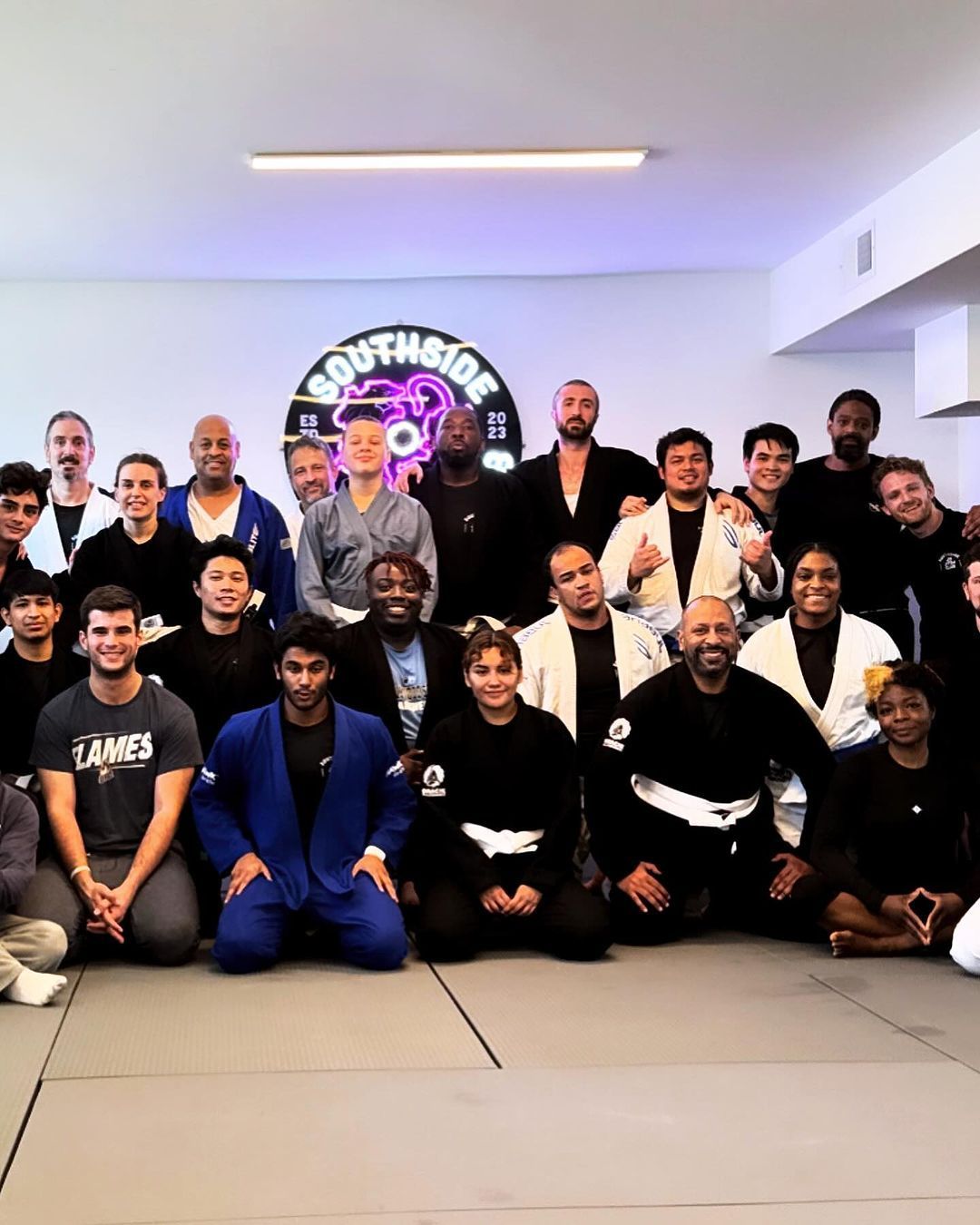
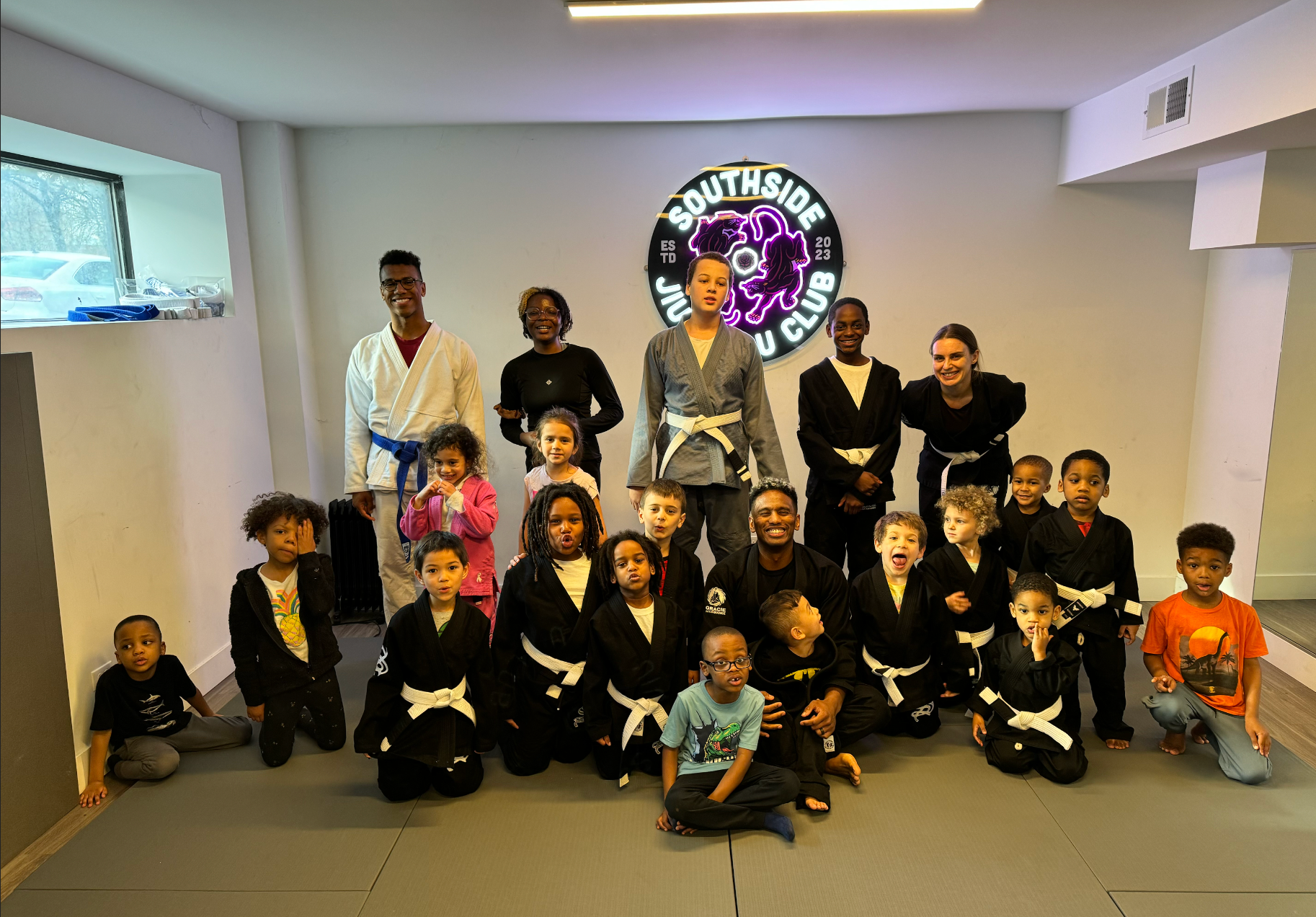
The good news is that it is preventable, and the fix is not simply "rest more." It is about building a training week your body can actually sustain, learning to read your own warning signs, and leaning on structure and coaching instead of willpower alone. At Southside Jiu Jitsu Club, this is something we coach directly, because we would rather keep you on the mats for the next ten years than watch you burn out in your first six months.
What BJJ Overtraining Actually Is
Overtraining is not how you feel after one hard session. Soreness and fatigue the day after a tough roll are normal and expected. Overtraining in BJJ is what happens when training stress outpaces your recovery over time, week after week, until your body stops adapting and starts breaking down.
Sports science sometimes calls the chronic version Overtraining Syndrome, or OTS, and the simplest way to understand it is as a math problem: stress on one side, recovery on the other. When stress consistently wins, you are heading for trouble.
Avid jiu jitsu practitioners are especially exposed to this. There is no off-season, so it is easy to train hard all year with no built-in breaks. New students get hooked fast and want to be on the mats constantly. And live rolling does not just tax your muscles, it taxes your nervous system, which recovers more slowly than you might think. Stack work stress, poor sleep, and family demands on top of that, and the recovery side of the equation shrinks while the training side keeps climbing.
We're not saying train less of course, you just need to learn to listen to your body and know how to identify your limits.
The Warning Signs You Are Overtraining
Catching overtraining early is the whole game. Once it sets in deeply, the only cure is extended time off, which is exactly what you were trying to avoid. So learn the signals.
On the physical side, watch for things like:
- Fatigue that a normal night of sleep does not fix
- Performance that is sliding backward instead of improving
- Nagging injuries that keep recurring
- Getting sick more often than usual
- Trouble sleeping even though you are tired
- When your soreness stops resolving in a day or two and starts lingering for most of the week
That is the difference between healthy training stress and overtraining: ordinary soreness fades, accumulating fatigue does not.
The mental signs matter just as much and tend to show up first. If you start dreading class, feeling irritable, losing motivation, or noticing that the sport you loved now feels like an obligation, your mind is telling you something your body is about to confirm.
Burnout is overtraining too, and protecting your enjoyment of jiu jitsu is part of protecting your longevity in it. If the mental side is where you are struggling, it is worth understanding how training can work for your head instead of against it.
What Causes Overtraining in Jiu Jitsu
Most cases come down to a few habits.
- Adding too much volume too soon, before your body has adapted.
- Skipping rest days entirely.
- Treating every roll like a competition final and going one hundred percent every round.
- Under-sleeping, under-eating, or under-hydrating so your body never fully refuels.
- Ignoring small injuries until they become big ones.
There is one root cause that most advice overlooks: a lack of structure.
Training whenever you feel like it, with no plan for how hard or how often, is what tips most people over the edge. The freedom to roll any time you want is a gift right up until it becomes the thing that burns you out. This is also the honest answer to a question new students ask constantly, which is whether it is bad to train every day. It is not the daily attendance itself that hurts you. It is daily maximum effort with no variation and no recovery. Show up every day going easy on some of them, and you can train far more often than you think.
How to Prevent Overtraining in Jiu Jitsu
Here is where generic advice falls short. "Schedule rest days" is true but useless on its own. What you actually need is a week that balances hard and easy, and that is easier to build when your academy offers real variety in its classes.
Mix Your Intensity Across the Week
The goal is to pair demanding sessions with lighter, more technical ones. A technique-focused class lets you put in real mat time while giving your nervous system a break from full-resistance scrambling. At Southside, BJJ Fundamentals and All Levels BJJ form the technical and mixed-intensity backbone of a sustainable week, while Randori open mat is there for hard rolling when you are fresh and ready for it.
Match Your Frequency to Your Experience Level
How often you should train depends heavily on where you are. For most beginners, two to three sessions a week is plenty to build the habit and see steady progress without overwhelming your body. As you develop conditioning and recovery capacity, you can add more.
Experienced practitioners and competitors can handle higher volume, but only because they have learned to manage recovery around it. We go deeper on this in our companion guide:
How often should you train BJJ →
Protect Recovery Like It Is Training
The best grapplers treat rest as part of the plan, not as off time in between. Build in genuine rest days where you do no jiu jitsu at all. Aim for seven to nine hours of sleep, since that is when your body repairs tissue and your brain locks in the techniques you drilled.
On off days, light active recovery like walking, easy mobility work, or stretching keeps blood moving without adding stress. Fuel and hydrate well, because you cannot recover from training you have not properly refueled for. Our BJJ nutrition and hydration guide covers exactly how to do that.
Recovery also means being honest about injuries and illness. Training through a minor tweak is sometimes fine if you can protect it and avoid the positions that aggravate it, but training hard through real pain or while you are sick almost always sets you back further than just taking the days off would have. When in doubt, ask a coach rather than guessing. If you want help building a schedule that actually fits your body and your week, that is exactly what our free goal-setting consultation is for.
The Surface You Train On Matters
One overlooked piece of recovery is what you land on. Our mats use the FUJI spring floor system, which is built to absorb impact and reduce the joint stress that comes from thousands of takedowns and scrambles over a training career. It is a small detail that adds up over years on the mats.
How Good BJJ Coaching Prevents Overtraining
Most articles treat overtraining as a problem you solve entirely on your own. In a real academy, it is not. A coach watching your volume, your technique, and your fatigue will often spot the warning signs before you do, and will tell you to dial it back when you are too in the moment or too stubborn to tell yourself. A structured curriculum with rotating class options also removes the guesswork that leads people to overdo it in the first place. You are not left to invent your own training load from scratch.
That coaching perspective is the difference between training hard and training well. Our head instructor, Solo Dixon, brings roughly fifteen years in martial arts and a black belt earned under Adem Redzovic, and that experience shapes how progression is structured here so students build steadily instead of burning out. You can read more about his background and our experienced staff on their coach profiles.
There is a community dimension to this too. People who train inside a supportive BJJ community group tend to stay consistent over the long run, instead of swinging between obsessive overtraining and dropping off entirely. Consistency, not intensity, is what produces black belts.
Starting Out Without Burning Out
If you are new, the single best thing you can do to avoid overtraining is to start with structure instead of throwing yourself at the schedule. Our 6 Week Transformation Challenge is designed exactly for this. It builds the training habit at a sustainable pace, with a minimum of eighteen classes spread across six weeks, accountability check-ins, and a personal goal-setting consultation, so you develop consistency without overdoing it in week one. From there, you graduate into our Prime Membership, where the full range of classes lets you keep building that balanced week for the long haul.
Train BJJ Smart on Chicago's Southside
Overtraining is not a sign of dedication. It is a sign that your training has gotten ahead of your recovery, and it is one of the easiest ways to derail your progress in jiu jitsu. Build a week that mixes intensity, respect your rest, listen to the warning signs, and lean on coaching to keep you honest. Do that, and you will still be improving long after the people who tried to do it all at once have quit.
If you want to start the right way, or get back on track after pushing too hard, book a free goal-setting consultation with us. We will talk through your goals and your schedule and help you build a training plan that fits your life, with zero pressure.
Previous Blogs